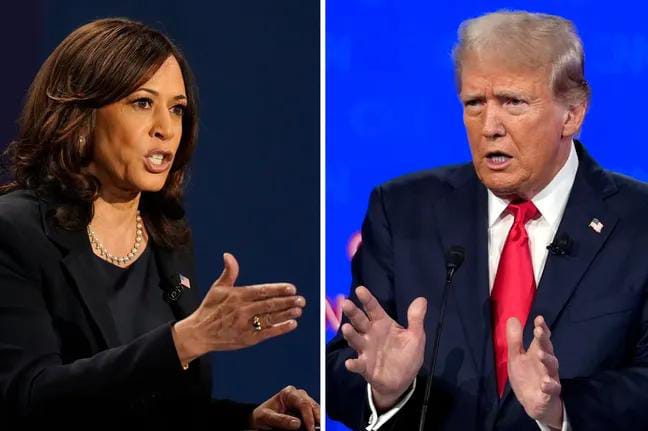

The question of whether Kamala Harris would be performing better than Donald Trump if she were president today reflects a broader debate about leadership style, governance priorities, and crisis management in the United States.
Kamala Harris represents a continuation of establishment Democratic governance, emphasizing institutional stability, coalition-building, and policy grounded in expert consensus. Her background as a senator, attorney general, and vice president suggests a leadership approach focused on process, diplomacy, and long-term reforms—particularly in areas such as healthcare access, voting rights, climate policy, and international alliances.
Donald Trump, by contrast, has always governed as a disruptor. His leadership style prioritizes speed, confrontation, and personal authority. Supporters argue that this approach projects strength, challenges entrenched elites, and puts national interests first—especially in trade, border enforcement, and deregulation. Critics, however, point to heightened political polarization, strained alliances, and frequent institutional conflict during his presidency.
If Harris were president right now, the U.S. would likely see a calmer executive tone, stronger alignment with traditional allies, and more predictable policymaking. However, critics argue that this could also mean slower responses, more compromise, and limited structural change. Under Trump, policy shifts might be faster and more dramatic, but at the cost of stability and trust in democratic norms.
Ultimately, the question of “doing a better job” depends on what one values more: stability versus disruption, consensus versus confrontation, predictability versus bold risk-taking.
Analysis: Comparing Leadership Approaches
Kamala Harris
-
Strengths: Institutional stability, diplomacy, policy continuity, respect for norms
-
Weaknesses: Slower decision-making, perceived lack of boldness, bureaucratic limitations
Donald Trump
-
Strengths: Decisive action, strong messaging, anti-establishment appeal
-
Weaknesses: Polarization, unpredictability, strained domestic and international relationships
From an analytical standpoint, Harris may perform “better” during periods requiring cooperation and rebuilding trust, while Trump may resonate more during moments of public anger or desire for radical change.